English
  日本語
日本語  français
  Deutsch
  Español
  русский
  português
The Future of Occlusion: Bite Registration Products and Techniques

Bite Registration Functions
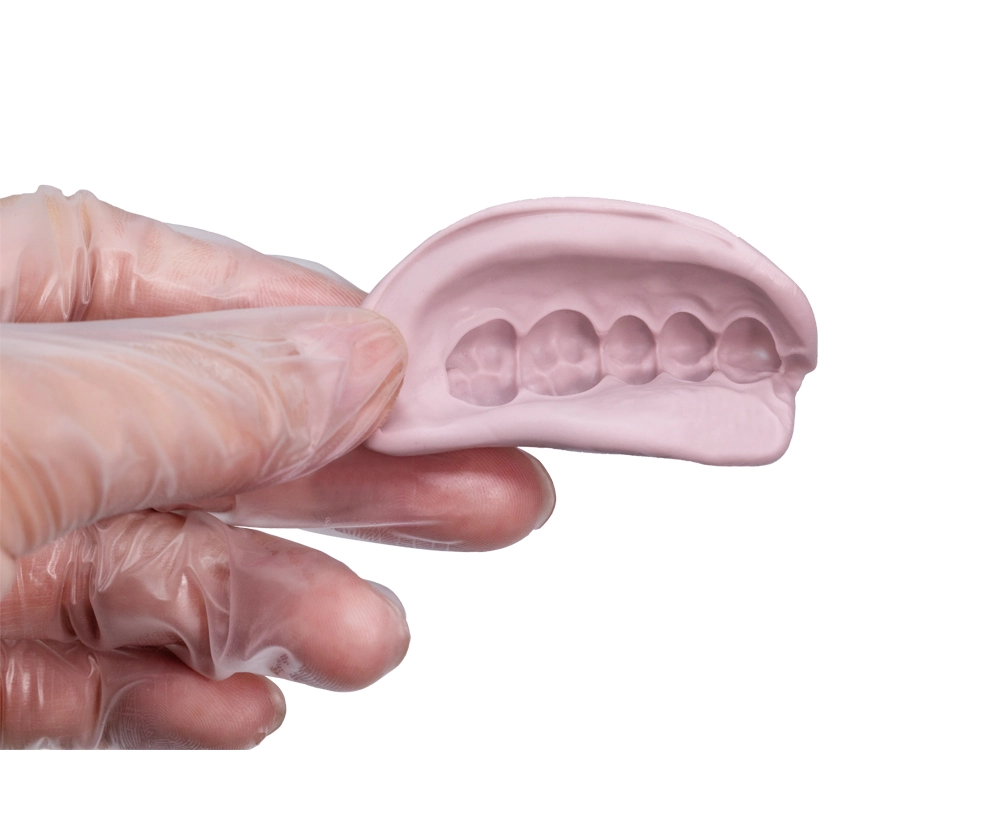
For making occlusal registrations
· Reduce the possibility of elevation or lowering of the restoration
· Reduce clinical occlusal adjustments and save chairside operation time
· Reduce the possibility of restoration perforation due to overgrinding
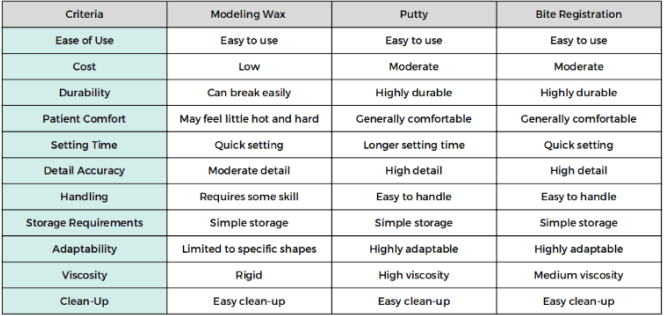
Comparison of Different Bite Registration Materials
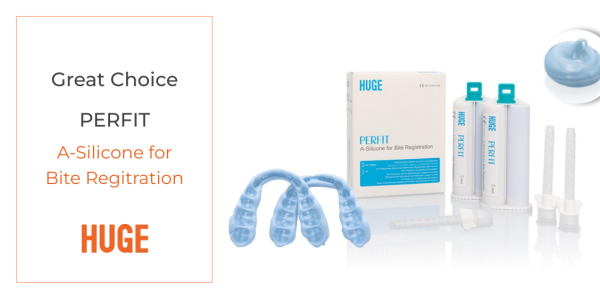
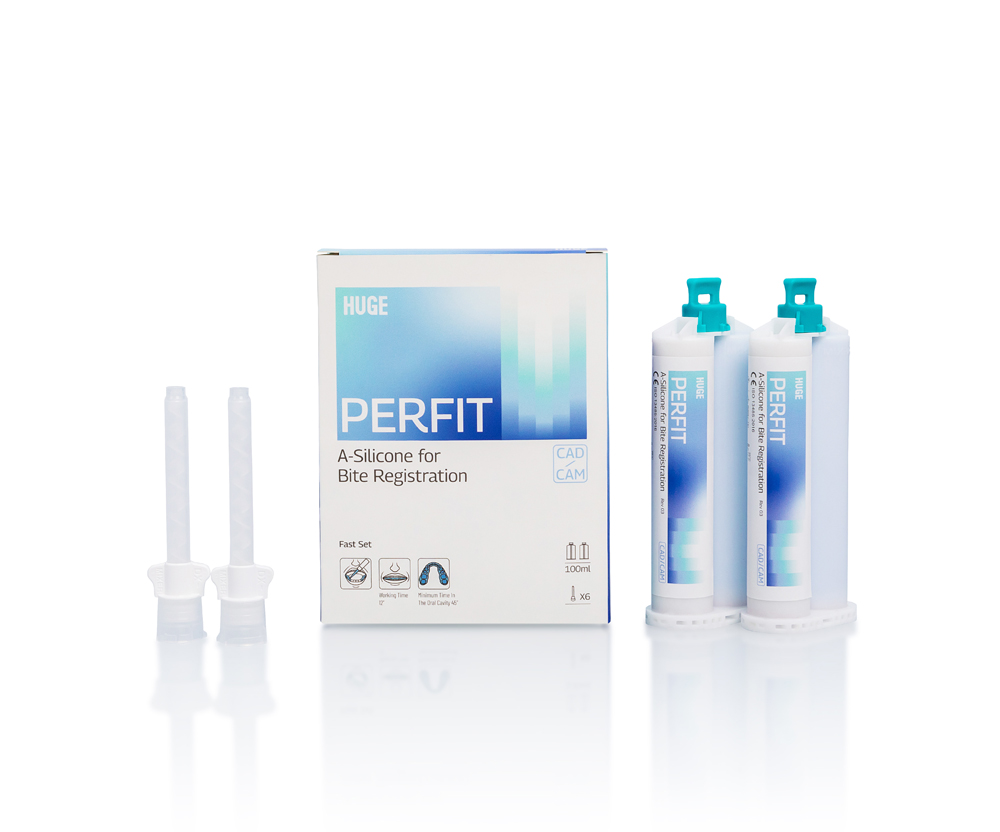
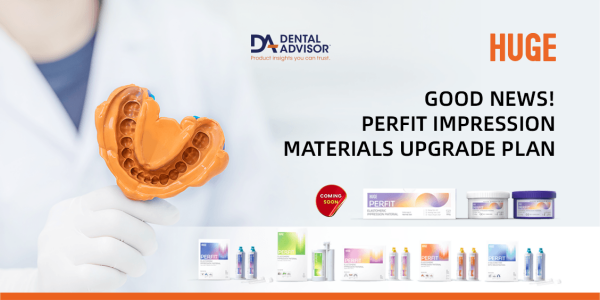
Introduction of Upgraded PERFlT Bite Registration
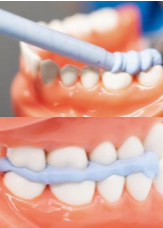
· Improved hardness: 89 to 90 hardness (24h)
>> Excellent hardness ensures accurate bite.
· Reduced fluidity: Whipped-cream-like consistency
>>Suitable fluidity gives patients a good bite experience.
· Scannable performance: can be used in digital processes.
>>The bite registration can be scanned directly without powder.
*Date from HUGE lab
Operation Notes
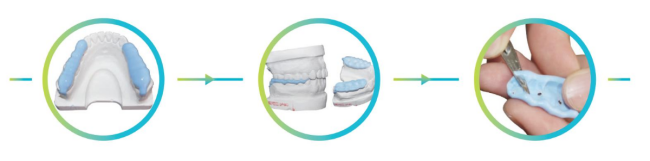
√ Dispersed point support: At least three points of support are required
√ Blow dry the teeth to reduce the influence of saliva
√ Let the patient bite the material gently and keep still
√ Maintain an appropriate length for the bite registration.
√ Achieve clear bite results by removing excess parts.
Clinical Case Guidance
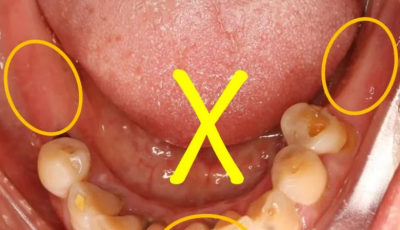
· Molars are missing. Direct bite registration has poor stability
· Use wax to make a temporary base first
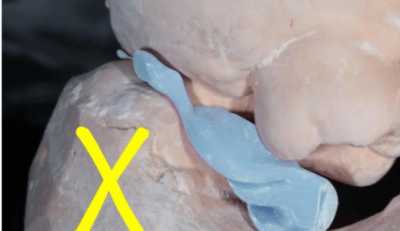
· The bite registration is too short
· Poor stability and easy to fall off
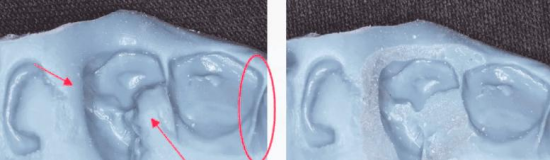
· The interproximal gap and deep defect were not trimmed
· The right picture shows the correct result after trimming
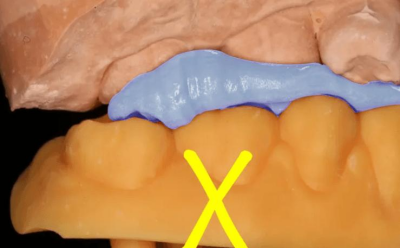
· The bite registration does not fit the model
· Use the more accurate plaster model instead of the 3D printed model
· Higher trimmingtechniques
Popular HUGE Dental Materials